





Is it lucky to see a dragonfly?
by Julie Kemp
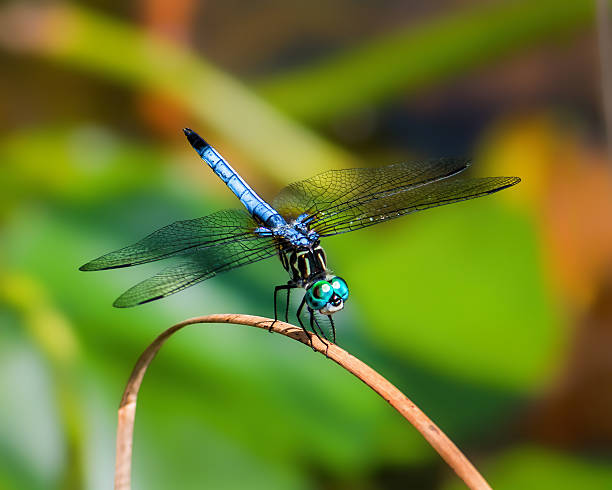
During July, each time one of our team sat on my garden chair, a little dragonfly would come to rest on top of a bamboo cane which I had used to prop up a plant in a nearby garden pot.
It was a beautiful, shimmering bronze colour and the bright sunlight would make it sparkle, like it had gold dust on its body and wings. It was quite small, so I assumed it was a young one. After a few weeks, it disappeared. I wondered if it had grown to full adulthood and found a different feeding ground.
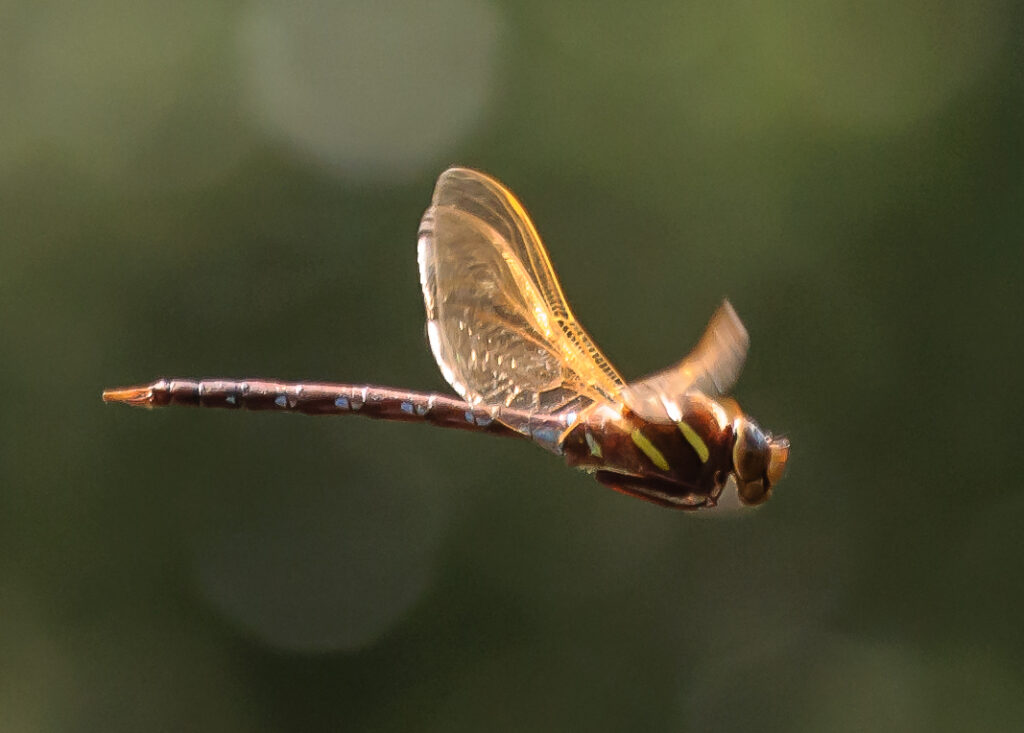
I realised that I didn’t know much about dragonflies at all, other than they come in all sorts of stunning, glittery colours, so I decided to look into their life span. Whilst their development stages are quite lengthy and complex, I was surprised to learn that their adult lifespan, in the open air instead of in water, was actually very short – typically just one to two weeks in the UK.
In sunny weather – which, of course, we have had a lot of this year – they can survive up to about six weeks. Once hatched, they live just long enough to have a good feed, and then mate, to start the cycle off again. I now feel very lucky to have spent so much time appreciating and admiring this little dragonfly, as it turns out they really aren’t around for long!
So, I got to thinking… is it lucky to see a dragonfly? Well, it seems, the answer is “Yes” … and “No”, depending on where you live! I found out that dragonflies are a very good omen in many cultures around the world, especially in eastern countries. In western countries however, they were seen as spooky and cursed.
In old English and in parts of America, they were known as “The Devil’s Sewing Needle” and folk believed dragonflies sewed up the mouths, eyes and ears of lying children, cursing men and gossiping women. Over in Wales, they were known as “Adder’s Servants” as it was believed they followed these venomous snakes around the countryside to cure or heal them if the snake became ill or injured.
Whilst many European cultures simply believed dragonflies were linked to tragedies, referring to them as “Witches’ Pets”, Swedish folklore went one step further and called them “Weighers of Souls”, believing that they were working for the Devil himself, flying around people’s heads to measure or weigh human souls for goodness or evil.
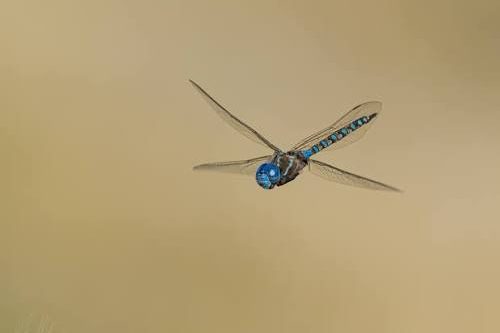
On the other side of the world, in China, dragonflies represent good weather, good fortune and smooth changes. In Japan, folk believe dragonflies act as guides carrying the spirits of ancestors on their backs, and symbolize courage, strength and happiness.
Samurai warriors placed images of dragonflies on their armour, calling them “victory insects” as they were thought to symbolize unyielding courage, tactical agility and a refusal to ever retreat.
In nature, they are used as weather predictors. Like swallows, dragonflies feed on insects whilst they are in flight. If dragonflies are flying low, the chances are it is going to rain as the low air pressure is forcing the insects – their food – downwards.
Around the world, fishermen believed that seeing plenty of dragonflies meant the water they were fishing in was healthy, as dragonflies would not hang around stagnant or polluted water.
So, for good or bad, I am still pleased that the little dragonfly visited me often and I hope it enjoyed its short life in my garden. At least it showed that my garden pond is still healthy, despite the near-drought. I look forward to seeing more of these stunning creatures next summer!