



I have been an avid reader all my life – and was very lucky to have a mother who, encouraged by her father, was also one.
Knowing and appreciating the huge value that reading can bring to one’s overall knowledge and education, she encouraged me from a very early age, helping me to improve my reading skills, and providing me with many books to indulge in, both children’s and adult’s stories.
Amongst a raft of well-known children’s tales and authors, she included one of our most famous authors of children’s books – A.A. Milne – and the stories he wrote for his son Christopher Robin about a teddy bear called Winnie-the-Pooh.
Inspired by a stuffed toy bear that he had bought for his son in Harrods, and that Christopher subsequently named Winnie after a bear they had seen in London Zoo, plus Pooh, a friend’s pet swan they had encountered while on holiday (and which appears as a character in its own right in Milne’s book of verse “When We Were Very Young”).
Whilst the bear’s name was first introduced to the world in a children’s short story commissioned by London’s Evening News for Christmas Eve in 1925, the book “Winnie-the-Pooh” with the first collection of stories about the character, and beautifully illustrated by E. H. Shepherd, was first published 100 years ago on 14th October 1926!
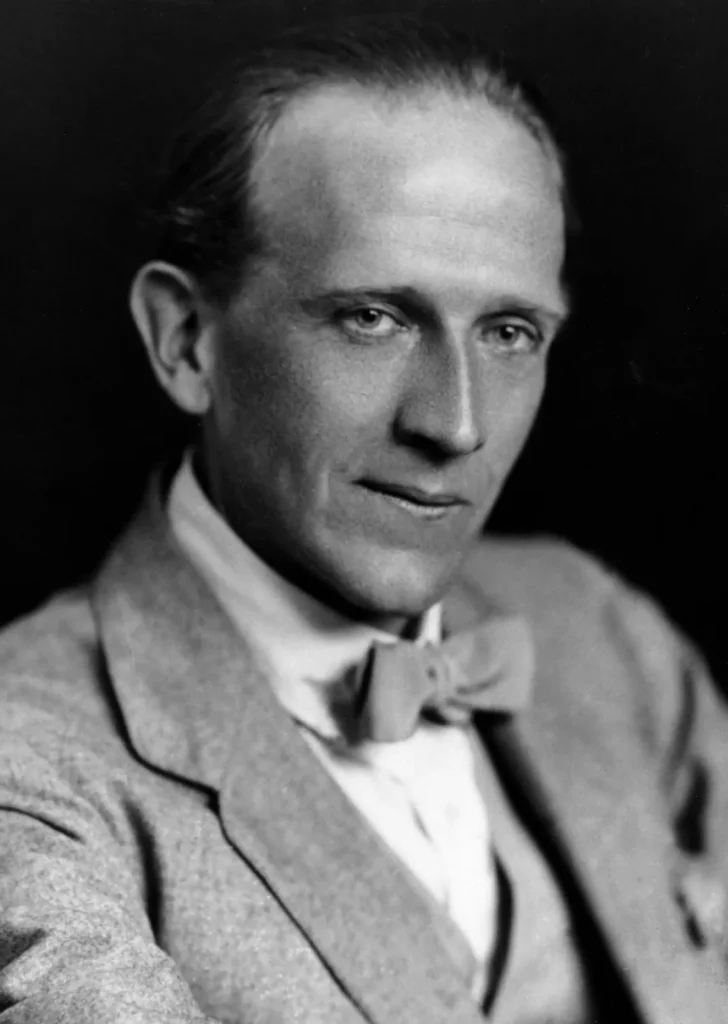
This was followed by a second set of stories in “The House at Pooh Corner” in 1928. These – and the following two children’s verse books “When We Were Young” and “Now we are Six”, were all set in and around Ashdown Forest in East Sussex where Milne’s country home was situated.
Milne offers this explanation of why Winnie-the-Pooh is often simply known as “Pooh”: “But his arms were so stiff … they stayed up straight in the air for more than a week, and whenever a fly came and settled on his nose he had to blow it off. And I think – but I am not sure – that that is why he is always called Pooh.”
The books, winners of several accolades, have been translated into over 50 languages so that a huge number of children all over the world have been able to enjoy them.
The one that I have only now discovered whilst researching this article, was a version in Latin published in 1958 – the only Latin book featured in the New York Times Best Seller List!!
Now why-oh-why did my High School Latin teacher not choose stories from this for us to translate for our Matriculation exams instead of the dry, pompous, and somewhat boring Julius Ceasar’s Gallic War and Civil War books??
Take care and stay safe!
LR