



Churchgoing and remembering those who have died
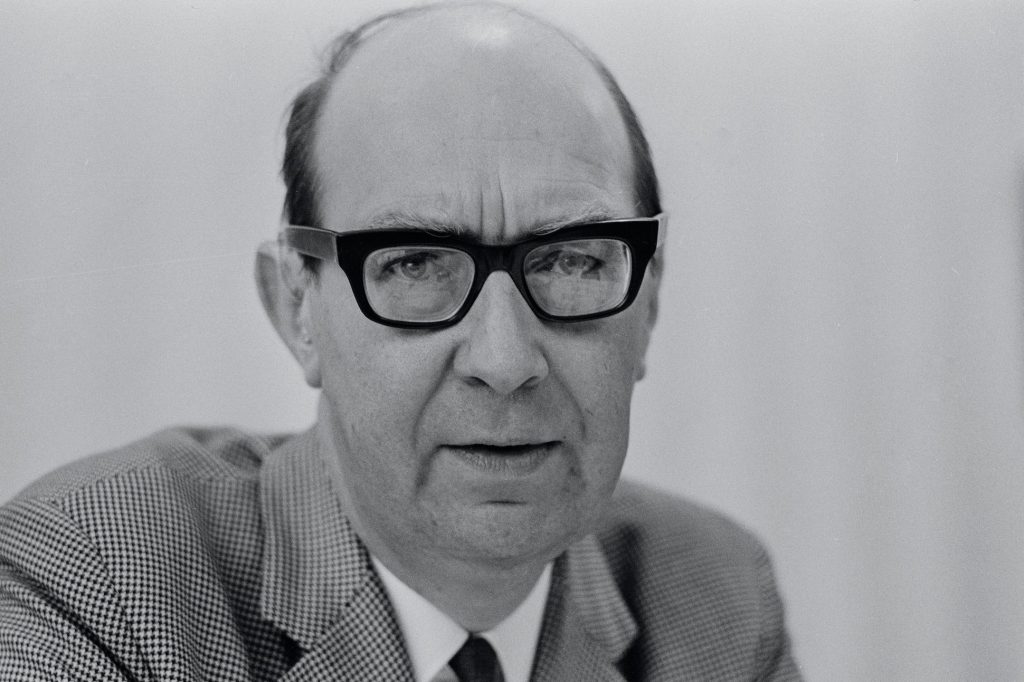
Over 70 years ago, Philip Larkin wrote a poem called “Churchgoing”. It was a play on words.
Churchgoing as in going to/attending church. Churchgoing as in the church “going”, disappearing. He was an atheist who found churches special places. He liked to stop by and spend time in them.
It may be true that churches are on their way to going, disappearing. I don’t know. But they’ve not gone yet. They are faring a bit better than pubs.
In the poem, Larkin acknowledges that churches are serious places that deal with serious matters. It deals in matters of life and death, whatever we believe or don’t believe about God. So, for now they continue to play a part in English life.
The enclosing nights and the November sun stingy with its light hidden behind the clouds leads some of us to deep reflection about what matters. It’s a month when the church remembers the dead.
November 1st is All Saints Day (from which Halloween gets its name) when we remember “the heroes of the church”. It remains a public holiday in many countries in Europe. The next day November 2nd, All Souls, is when we remember those closer to home, those whom we love but see no longer.
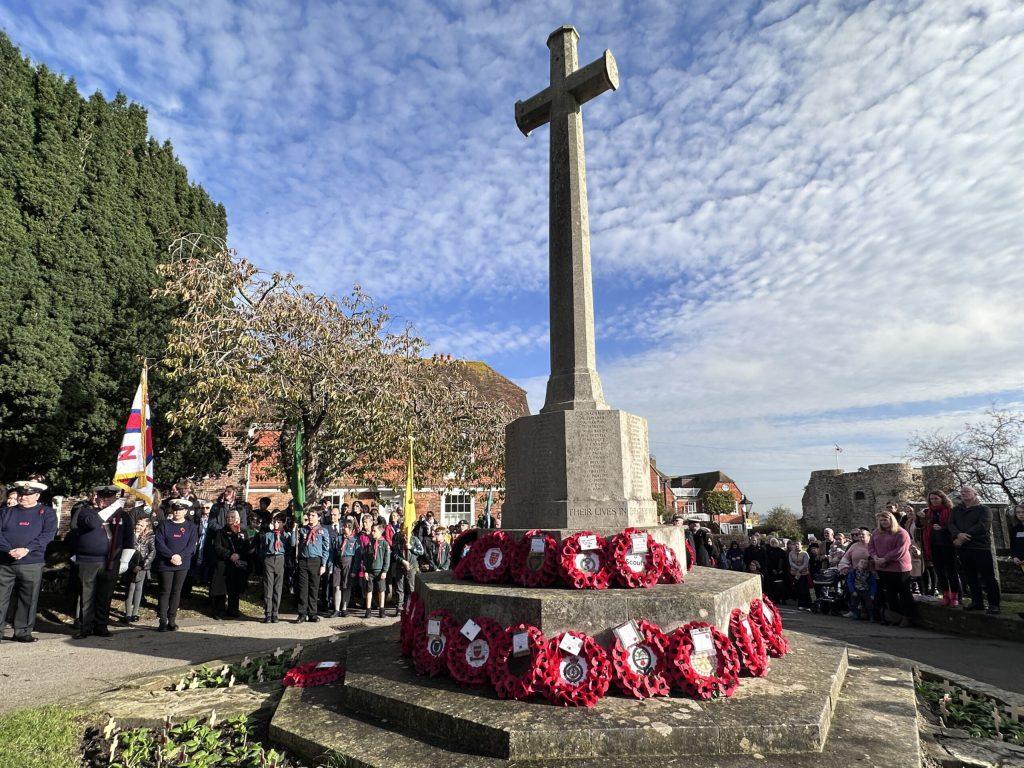
And of course, we have Remembrance tide where we remember the combatants who died in recent wars; WWI, WWII and others. In England, since after the second world war, it’s observed on the second Sunday of the month, closest to Armistice Day.
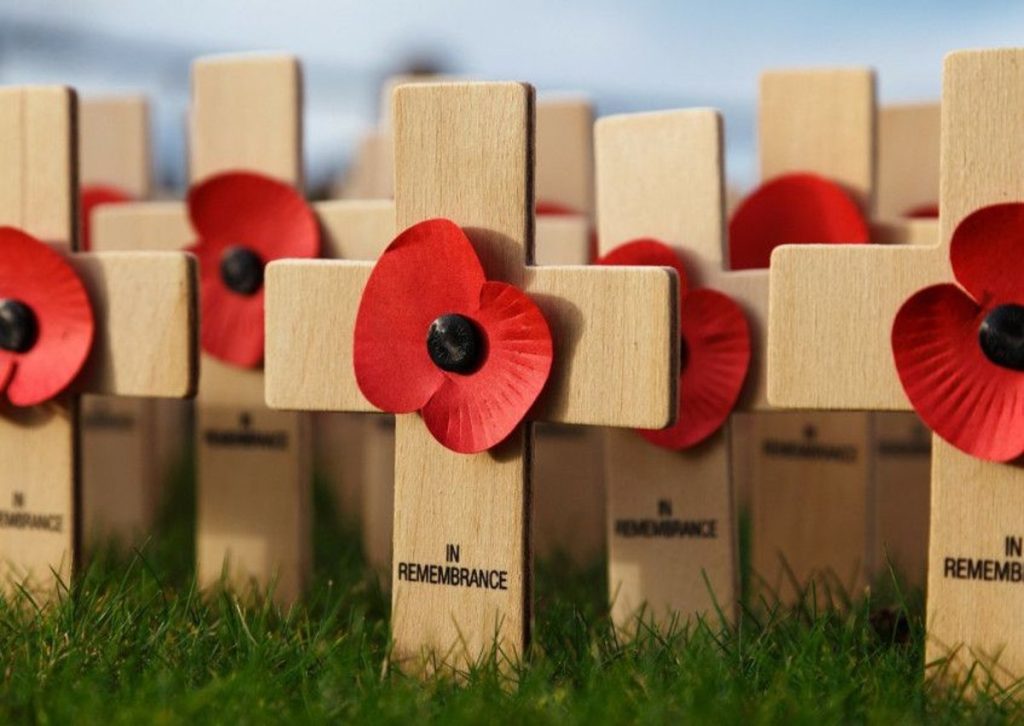
Though it involves the church, it’s a remembrance that belongs to the whole nation, much like a royal funeral or wedding or a coronation. When I was vicar of Rolvenden, more people attended that service than they did at any other services of the year, including any of the Christmas services.
It’s quite a major event in Rye where many individuals and groups attend, including many from the surrounding villages. Several countries in Europe, Canada, Australia and New Zealand mark that remembrance on Armistice Day, specifically at the 11th hour of the 11th day of the 11th month.
Increasingly, England has also made a bigger deal of Armistice Day. It is a powerful witness when much of the country steps back from its busyness and falls silent for two minutes.
East Guldeford has a short act of remembrance before 10 am at their Cenotaph on Remembrance Sunday before the Rye service.
At Camber, we’re considering moving our remembrance time to 11.11.11 for a brief act of remembrance in the church by the WWI and 11 memorial plaques on the south side of the nave. By the time this magazine comes out, we’ll have decided.
But, regardless of when or what we do, “We will remember them!”