


Many of us in Camber watched the spectacular eclipse of the sun in mid-August. At the end of August there was also a lunar eclipse visible from Camber. Fewer of us witnessed that one, mainly because it was in the small hours of the morning, starting at 3.30am and peaking at around 5am.
It was labelled a partial eclipse because it only covered 93% of the moon – not quite enough to classed as a full eclipse. As sunlight passed through the Earth’s atmosphere and refracted towards the moon, it gave the shadowed portion of the moon a red-orange glow, creating what is known as a ‘Blood Moon’.
In the newsletter, we have previously covered the different names for the full moons throughout the year and the reasons, legends and folklore surrounding those names (for example the ‘Harvest Moon’ in September or October).
Whilst everyone knows about the stories of werewolves appearing on the night of a full moon – starting in the Middle Ages and popularised in 19th century Gothic literature – we started to wonder about superstitions surrounding moonlight in general, whether it is a full moon or not.
As the moon is the closest and brightest sight in our night sky, the moon has been held in wonder by humans since early civilisation. In ancient times there was no knowledge of the moon’s gravitational influence on our planet, but they did believe that the moon had power over all the water on Earth. As well as the seas and oceans, the ancient folk thought that the moon affected all fluids, including the fluids within our bodies.
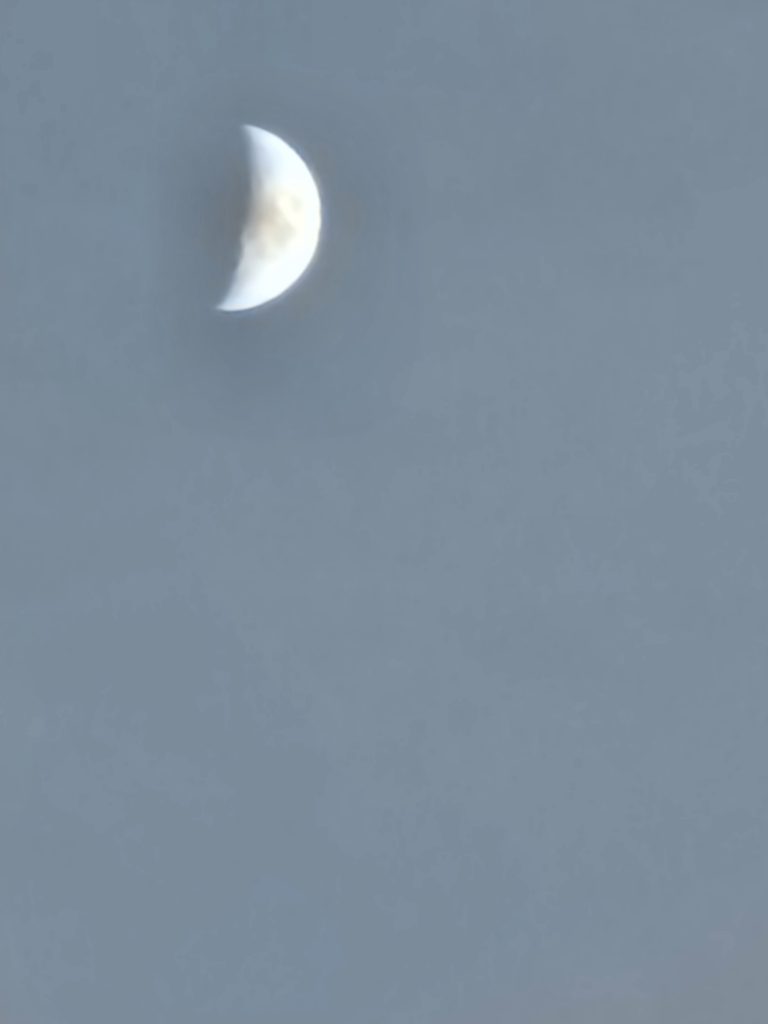
The word lunatic came from the Latin word ‘lunaticus’ which literally means ‘moonstruck’. (Luna being the word for moon in Latin.) It was used to describe anyone who appeared to be temporarily mad, or behaved erratically, around the time of a full moon.
The word was in common use in England by the late 1300s and was referenced in Langland’s famous book, Piers Plowman, where he wrote, “Lunatic lollers and lepers’ describing people who were either more – or less – ‘mad’ according to the moon’s phases. Even Shakespeare said the moon ‘makes men mad’ in his play, Othello.
Before modern medicine, the world didn’t know much about how the human brain worked and people with neurological conditions – such as epilepsy – were thought to be afflicted with a madness caused by the waxing and waning of the moon.
This belief gave rise to many strong superstitions surrounding the moon’s power. Sleeping in moonlight was thought to cause ‘moon-blindness’ or insanity, so drawing the curtains against moonlight was very important. It was also considered very dangerous to look at the moon using a mirror, or to stare at the moon for too long. In the Middle Ages, there was a strong belief that the Devil used the power of the moon to create fear, making way for the early stories of vampires and werewolves.
All kinds of strange and inexplicable behaviour has been attributed to the moon’s influence, right up to modern times. It is widely thought there is a rise in the number of people admitted to hospital and crimes committed when the moon is full, although there is no scientific data to back it up.
However, some British Police forces have reported an increase in aggressive behaviour on these nights. In 2007, Sussex Police deployed extra officers around the time of a full moon to cope with the surge in violent and disorderly incidents after the Chief Inspector compared local crime statistics with lunar graphs.
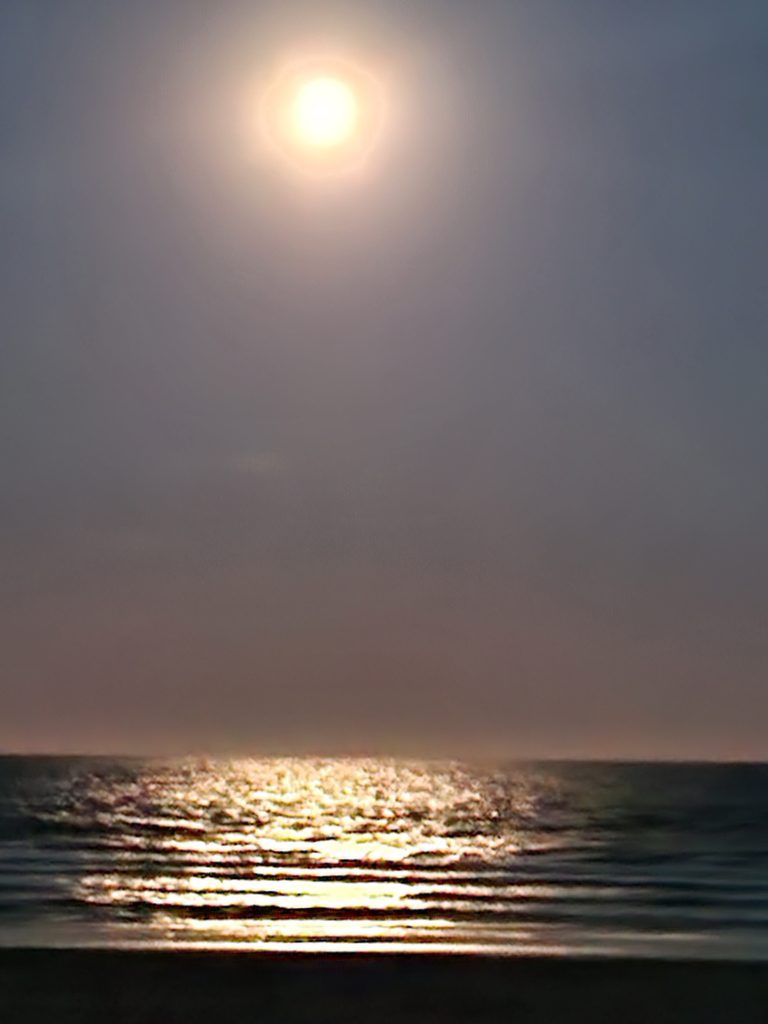
Whether or not you believe the moon sends us all a bit doolally at times, if you go out onto our beautiful beach after dark, you can be sure the moonlight shimmering on the water is one of the most beautiful sights in the world. But try not to stare at the moon for too long – just in case!