






The Royal Society for the Protection of Birds (RSPB), Britain’s largest bird charity, has said that putting up bird feeders in your garden may seem kind, but it could be putting some species at serious risk.
According to the RSPB, millions of Brits regularly put out food in the hope of attracting our feathered friends. However, between 1st May and 31st October people should take a break, warning that warmer months can turn busy feeders into disease hotspots. In species such as greenfinches and chaffinches, the spread of a disease known as trichomonosis has caused significant declines.
The population of greenfinch, once a familiar sight in UK gardens, has decreased by two million, as they are now on the red list of birds that are endangered. A parasite that affects the mouth, throat and upper digestive tracts of birds is what causes trichomonosis, and this disease can make it hard for birds to breathe, eat or drink.
The birds that are infected shed the parasite in their saliva and poo, contaminating food sources when they feed. And when adults regurgitate food, it can also be passed directly to chicks.
As per the latest results from the RSPB’s Big Garden Birdwatch, the number of greenfinches recorded has dropped from a ranking of seven in 1979, when the survey began, to a ranking of 18 in 2025.
While the RSPB admits that changing people’s habits may prove difficult and potentially unpopular, it hopes that persuading people to adopt its new advice, which is to “feed seasonally, feed safely”, will slow the spread of the disease.
The RSPB says that water should only be provided if it can be changed daily, and only fresh tap water should be used, while bird baths should also be cleaned every week.
Big Garden Birdwatch 2026 Results:
- 1. House Sparrow
- A non-mover in top spot
- Change in average count since 2025: +1.2%
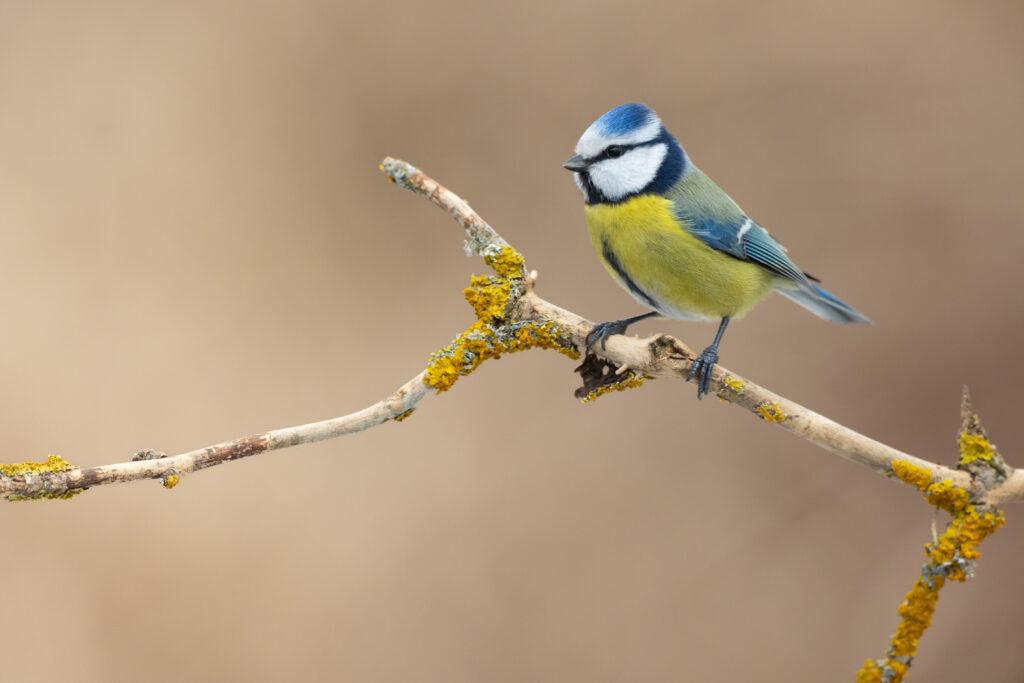
- 2. Blue Tit
- A non-mover
- Change in average count since 2025: +12.5%
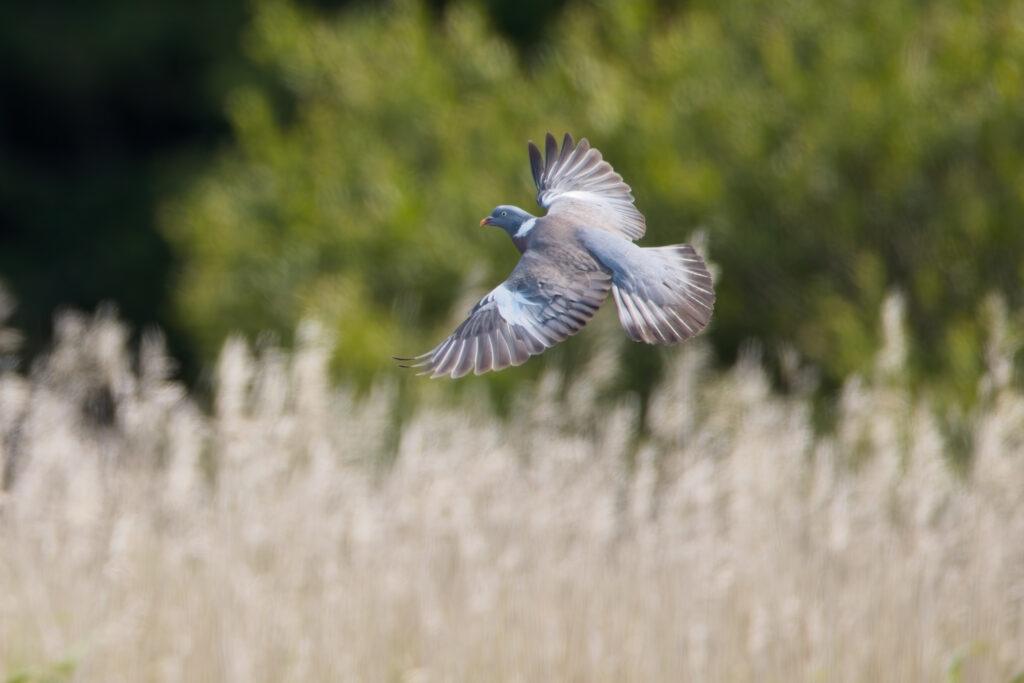
- 3. Woodpigeon
- A non-mover
- Change in average count since 2025: -12.9%
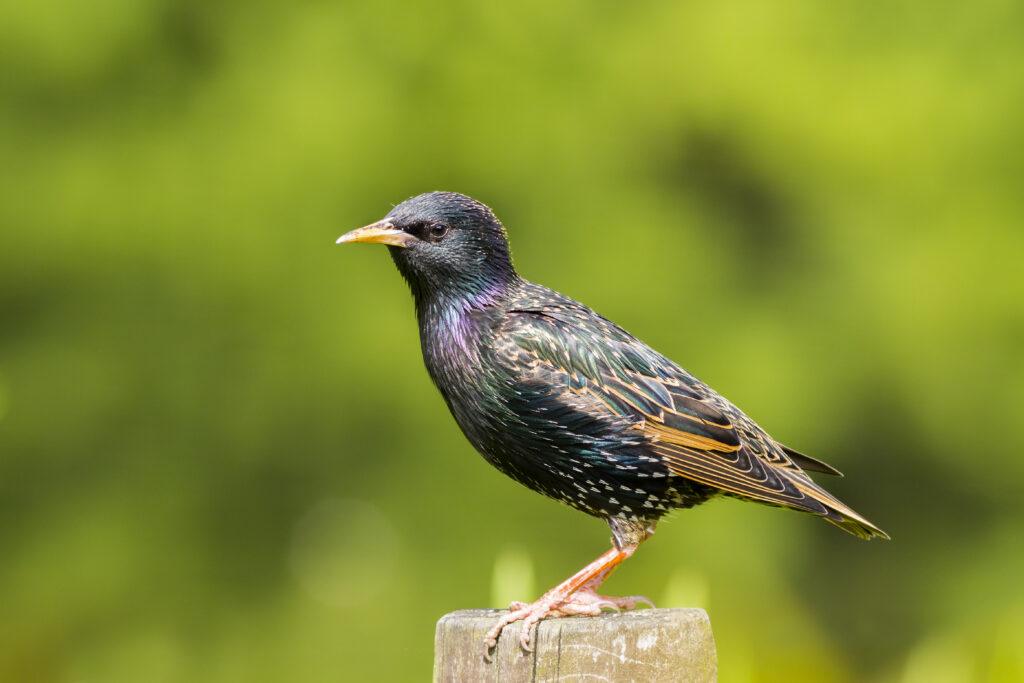
- 4. Starling
- A non-mover
- Change in average count since 2025: -4.3%
- 5. Blackbird
- A non-mover
- Change in average count since 2025: -22.5%
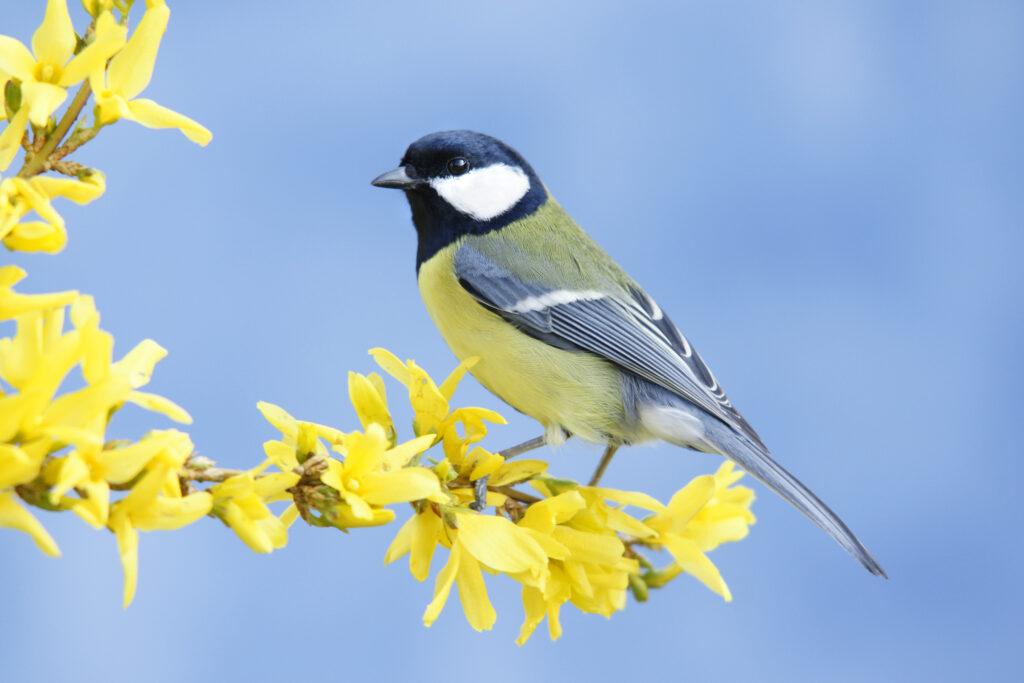
- 6. Great Tit
- Up one place
- Change in average count since 2025: +10.4%
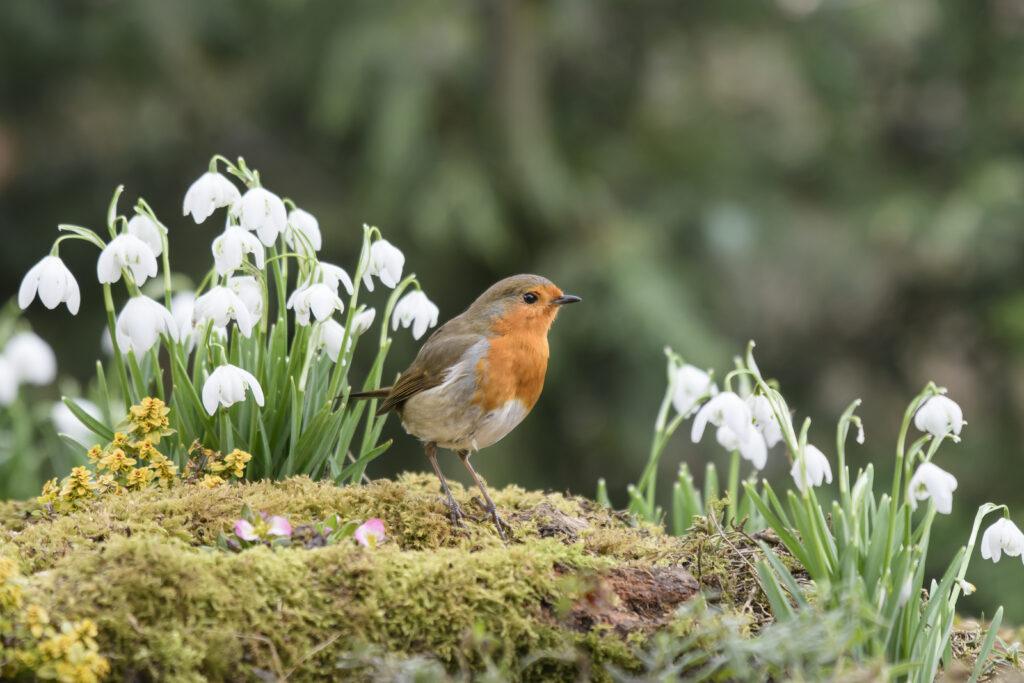
- 7. Robin
- Down once place
- Change in average count since 2025: -0.7%
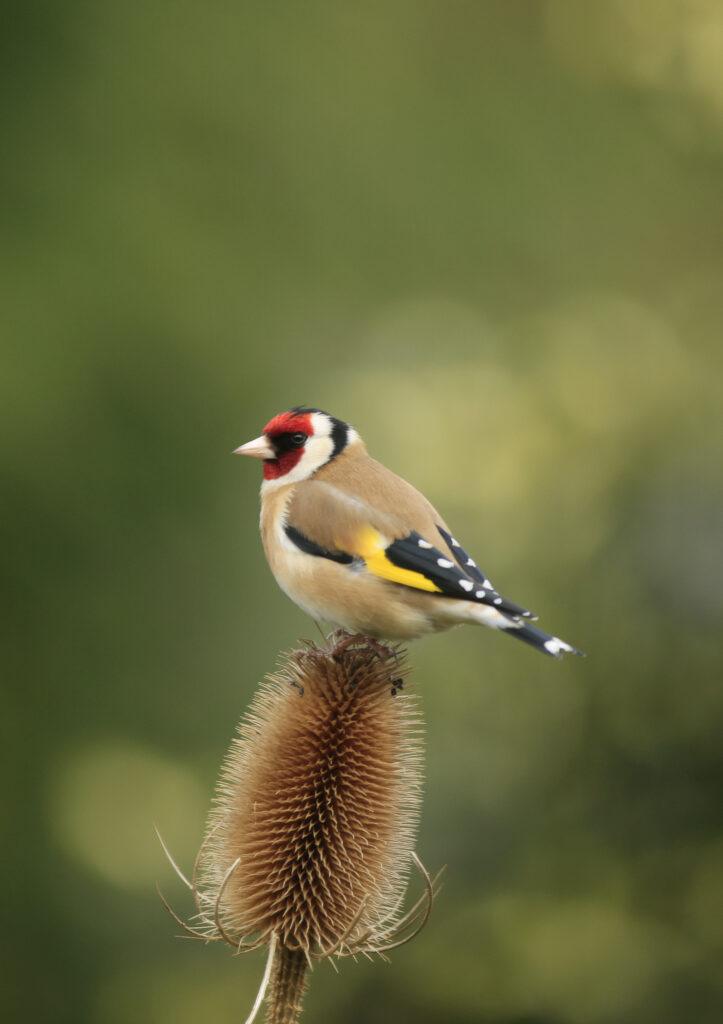
- 8. Goldfinch
- A non-mover
- Change in average count since 2025: +3.4%
- 9. Magpie
- A non-mover
- Change in average count since 2025: -0.8%
- 10. Long-tailed Tit
- A non-mover
- Change in average count since 2025: +5.5%
Data taken from RSPB: https://www.rspb.org.uk/whats-happening/big-garden-birdwatch/results
And if you’ve made this far, yes, we noticed that there are a lot of tits in the UK…