




A certain Monday carries a reputation for being the year’s most emotionally difficult day
Each January, a certain Monday carries a reputation for being the year’s most emotionally difficult day. Known as Blue Monday, it’s often linked with low moods, depleted motivation, and a post-holiday slump.
While the idea started as a publicity stunt, it has since become an annual reminder of something real and important: MENTAL HEALTH MATTERS. In 2026, Blue Monday falls on January 19th.

Why Blue Monday Matters
Whether or not one day can be objectively “bluer” than another, Blue Monday serves as a cultural nudge to take mental health seriously. Depression, anxiety, and burnout don’t follow the calendar – but the struggles many people face during winter are real.

For some, it’s seasonal affective disorder (SAD). For others, it’s financial stress, social isolation, or simply the let-down after the holidays.
Blue Monday isn’t about labelling a bad day – it’s about acknowledging that emotional lows deserve attention. It opens the door for meaningful support and reminds us to ask, listen, and act with empathy. That’s something we need far beyond January.
How to cope with Blue Monday
If you’re feeling low on Blue Monday – or any day – you’re not alone. Here are some small but meaningful ways to support your mental wellbeing:
- Connect with someone: Talk to a friend, family member, or mental health professional. Just sharing how you feel can bring relief.
- Move your body: Gentle exercise, even a short walk, can lift your mood by increasing serotonin and endorphins.
- Limit negative input: Be mindful of your media intake. Take breaks from news cycles or social media if they heighten stress.
- Create structure: Set a small, achievable goal for the day. Completing it can offer a sense of control and progress.
- Be kind to yourself: If motivation is low, don’t force productivity. Rest, nourish your body, and remind yourself this feeling will pass.
More importantly, reach out if you’re struggling. Organisations like Mind, Samaritans, Men Who Talk or local crisis helplines are there to support you, not just today, but always.
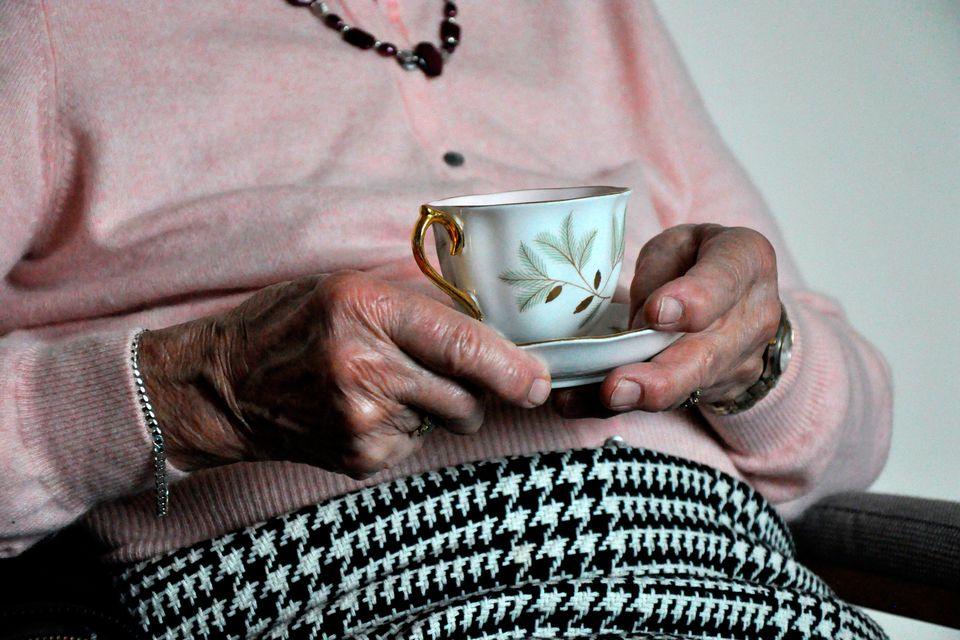
If you know someone who might be on their own, give them a call, pop round to see them or invite them round for a cuppa.