
In December 2013 the United Nations General Assembly decided to designate 3rd March as the international day of the adoption of CITES (Convention on International Trade in Endangered Species of Wild Fauna and Flora). Named World Wildlife Day, 3rd March would be the annual day when we celebrate the commemoration of CITES and its aim to raise awareness about the benefits of fauna and flora worldwide.
The theme this year is MAPS – or Medicinal and Aromatic Plants – conserving Health, Heritage and Livelihoods. The most complete overview of the theme is on the WWD website, which quotes(wildlifeday.org):
Medicinal and aromatic plants (MAPs) are essential for both human health and ecological balance. Around the world, people collect and use MAPs, such as American ginseng, spikenard and agarwood for treating and preventing illnesses.
The World Health Organization (WHO) recognizes their significance, particularly in developing countries, where 70-95 per cent of the population relies on traditional medicine for primary healthcare. These plants form the foundation of many healthcare systems and remain vital to modern pharmaceuticals, as numerous active drug compounds are derived directly or indirectly from natural sources, despite advancements in synthetic chemistry.
Beyond their medicinal uses, MAPs also contribute to various industries, including cosmetics, food, and luxury goods. The genetic resources derived from MAPs and traditional knowledge about MAPs have been used for diverse applications in agriculture, medicine and conservation. Ensuring the sharing of benefits arising from this use is essential and can provide incentives for conservation and sustainable use of wildlife.
Additionally, MAPs play a crucial role in supporting ecosystems by stabilizing soils, promoting biodiversity and providing essential resources for pollinators, such as bees and hummingbirds. However, many of these valuable species face growing threats from habitat destruction, overharvesting and illegal trade, making their conservation a global priority.
Over 20% of plant species used globally for medicinal and aromatic purposes are considered to be threatened with extinction, mainly due to overharvesting, habitat loss, climate change and unregulated or illegal international trade. Raising awareness, strengthening regulations and ensuring the sustainability of harvesting and trade are essential for these invaluable plant resources to survive in the wild
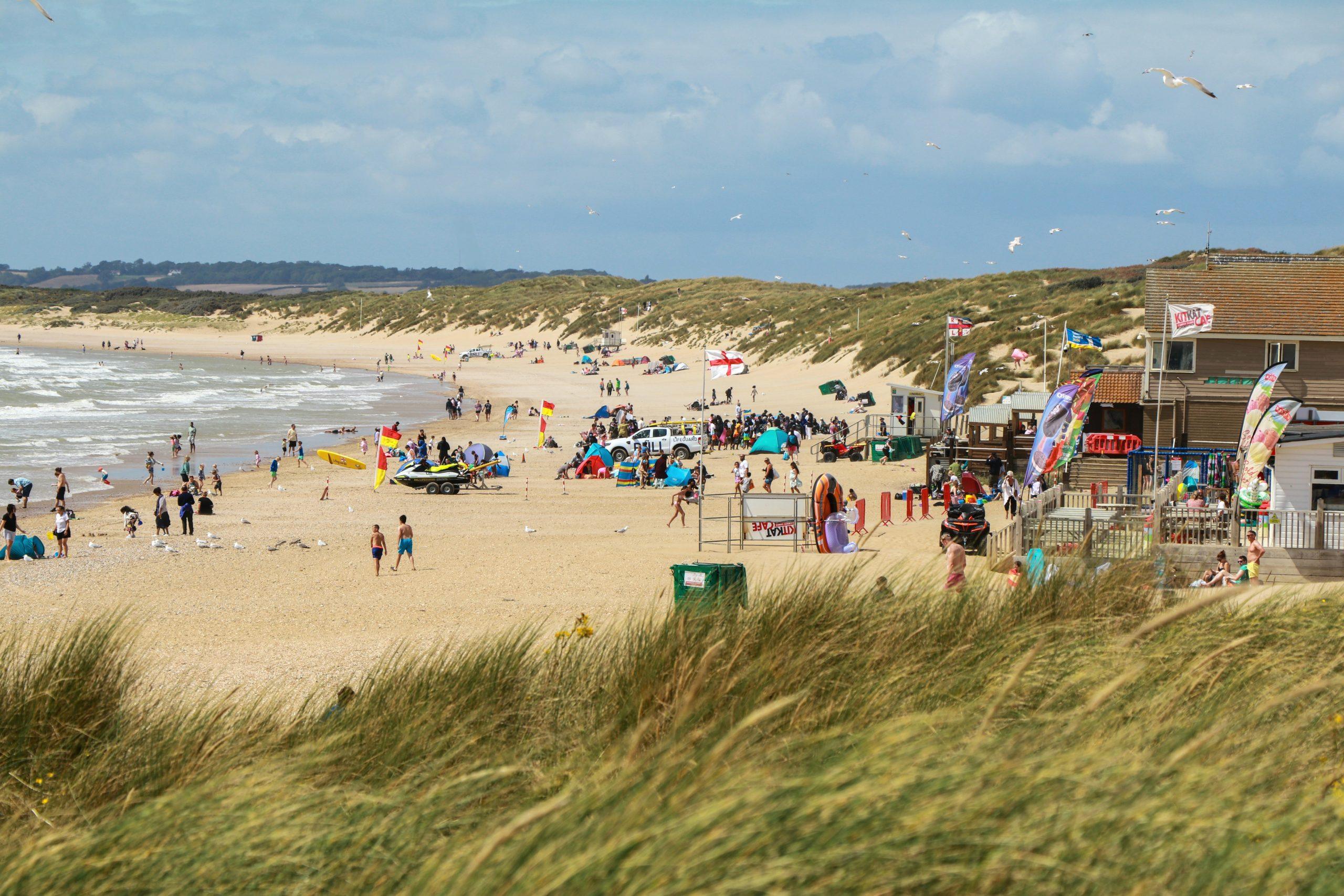
Camber is lucky to have several of these plants in the local environment such as samphire, sea buckthorn, evening primrose, sea (or beach) pea, sea holly, buddleia, horned poppy, rosemary, sea kale, sea thrift, purslane, thyme, sea (or beach) hibiscus, myrtle, and ornamental grasses like the marram grass on our dunes, to name but a few.
You will have noticed no doubt that the Beach Garden is slowly, but surely, making a comeback and we intend using as many of these valuable plants as possible in its regeneration, so if you have any cuttings or plantlets you can donate – please feel free to do so!