




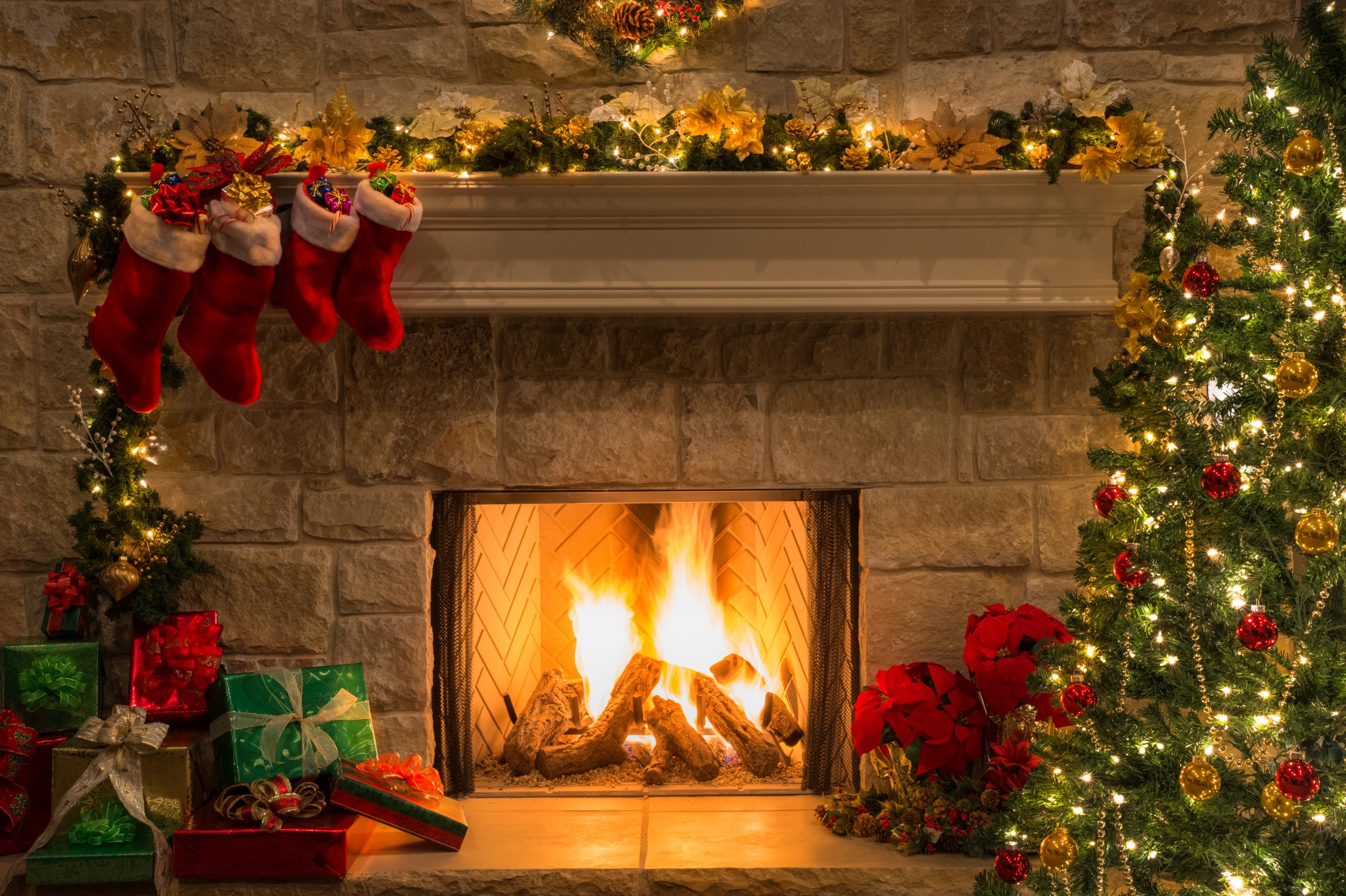
In the past, ‘Yule’ did not relate to Christmas as it does nowadays
Yule logs, which were traditionally a block of oak or beech, were burned all over Europe, including Russia and Siberia – and sometimes even in the warmer Mediterranean areas – and were used as a source of light and heat.
In the past, ‘Yule’ did not relate to Christmas as it does nowadays, but was used to signify the winter solstice by Germanic pagans. The solstice falls on the 21st or 22nd December and was celebrated in the Northern Hemisphere by Scandinavians because it signified the shortest day.
Harsh winter conditions, months of darkness, and scarcity of food made life for them extremely difficult. In those early times, they had no idea if the sunshine and warmth would ever return, so they performed rites in the hope that they could appease the elements.
Burning the Yule Log brought comfort during the long mid-winter. The fire was kept burning for several weeks until the days began to lengthen, During this time, family and friends would gather to tell stories and dance and sing, in celebration of the sunshine returning.
It wasn’t until the 4th Century AD that Christians began to absorb the pagan solstice traditions and, by the 18th Century, England saw the Yule Log lit on Christmas Eve, when it was left undisturbed in the grate all night, with the hope that it would continue to burn until the Twelfth Night.
At this point, it was believed that the charred remains of the Yule Log contained special powers. These remains were used in various rituals designed to bring good luck in the coming year. In France and Germany, the ashes from a Yule Log were stirred into cows’ feed to help them calve. In the Baltic States, ashes were dug into the roots of fruit trees to encourage a good harvest. In the UK, a drink made from mixing the burned wood with water was used as a cure for consumption – a common symptom of the Christmas celebrations!
Also in the UK, another superstition was that the blackened log should be kept in the house to prevent lightning strikes because it was believed that keeping a thoroughly burnt-out log meant that the rest of the house was safe from burning down.
A couple of months ago, the Camber Memorial Hall was hit by lightning and, luckily, it didn’t catch fire. It is unlikely that the remains of a Yule Log kept it safe, as there is no fire grate in the hall to burn a Yule Log in the first place! Whether you traditionally burn a Yule Log or not, we wish you a warm, happy and peaceful winter season – free from any lightning strikes!
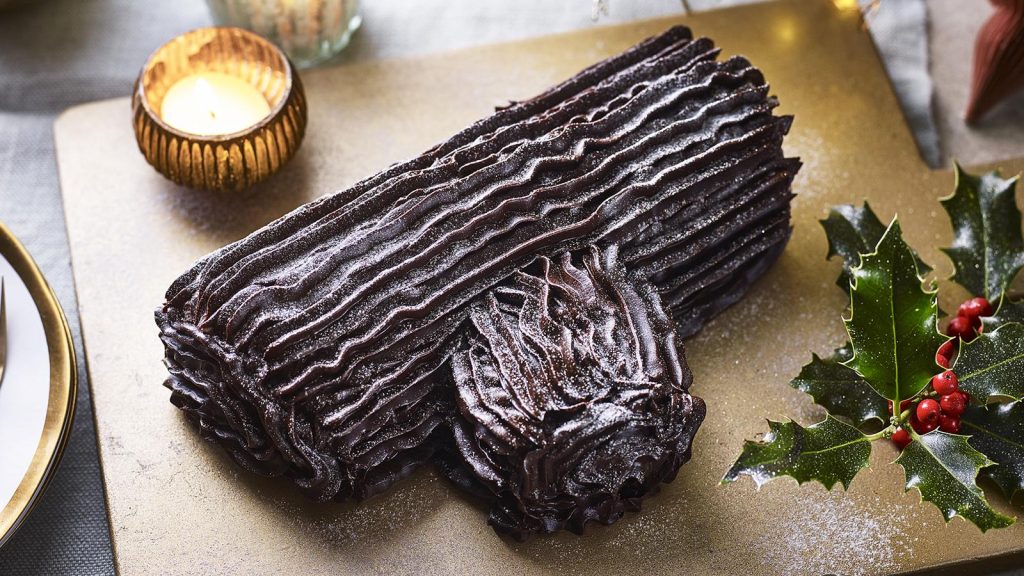
[Editor’s note: The best Yule Logs, of course, are the ones made of chocolate cake, smothered in icing, and covered in cream or custard!]