





The Environmental Impact of Bio-Beads on Camber’s Sands, and Understanding the Consequences of Microplastic Pollution on a British Coastal Gem
We are sure that you have seen the TV news throughout November, social media coverage and updates from the authorities on the damage caused to the beach by the release of bio-beads into the sea as well as the impact on the beach environment.
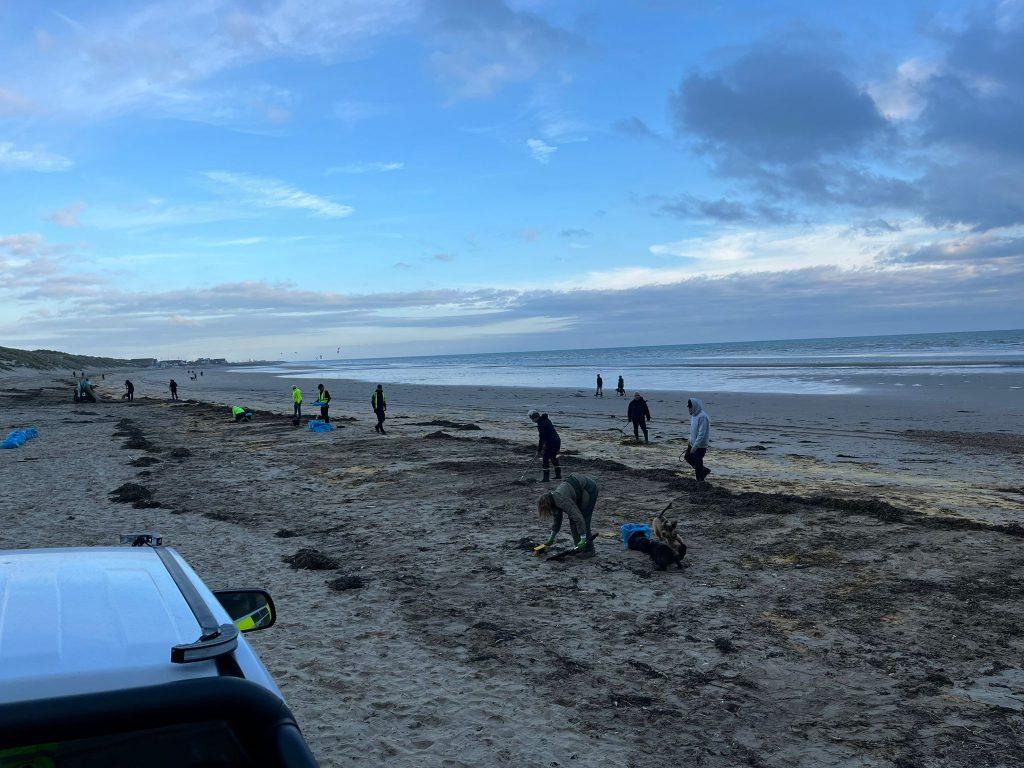
Firstly, the Camber Community Group would like to say a big thankyou to all the volunteers and workers who responded to the call and turned out to help clear up this mess. This isn’t the first time bio beads have landed in Camber and other beaches in the UK have reported similar releases in their areas.
Secondly, we have heard many discussions about, what are bio-beads, why does it matter, wont they just wash out to sea and are they safe to humans/dogs? Having sifted through lots of information here is a synopsis to help us answer a few questions.
What are Bio-Beads?
Bio-beads are small, spherical plastic pellets, typically less than 2mm in diameter.
They are primarily used in wastewater treatment plants as a medium for beneficial bacteria to grow on, aiding the breakdown of organic matter and pollutants.
While they help improve water quality, their plastic composition means they pose a risk if they escape into the natural environment.
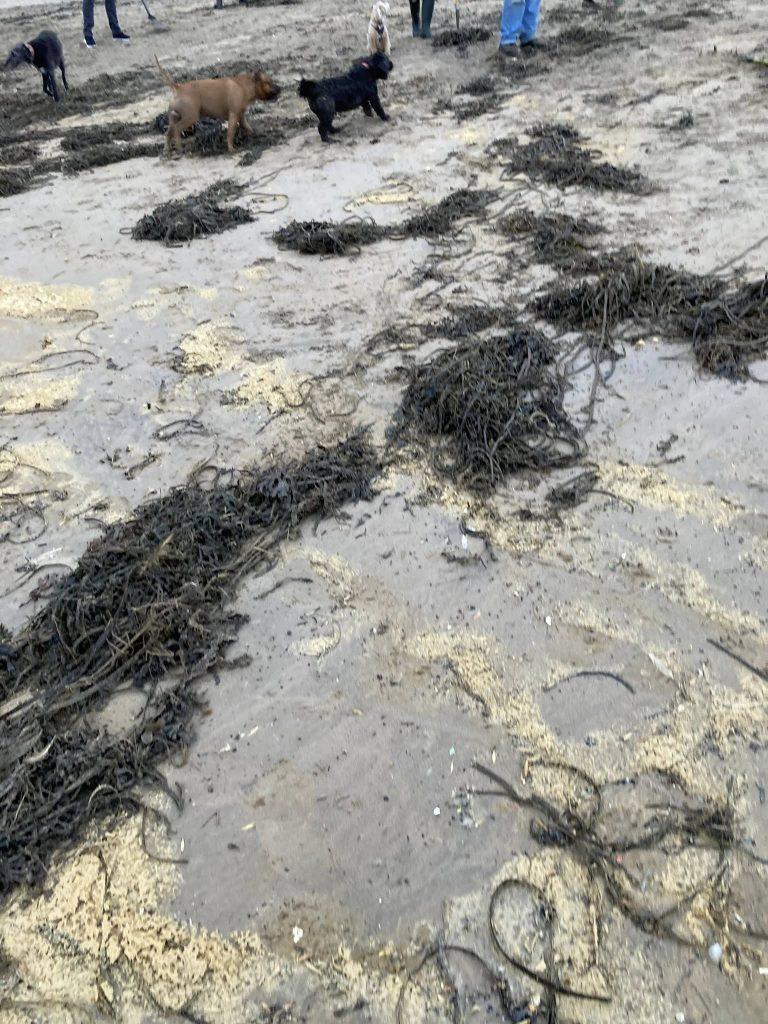
How did they reach Camber Sands
Bio-beads can enter the marine environment through accidental spills, runoff, or failures in filtration at wastewater treatment facilities. Once in rivers or the sea, these lightweight pellets are easily transported by currents and tides. Camber, with its expansive tidal reach and proximity to the River Rother estuary, is particularly vulnerable to such pollution.
Environmental Impacts on Camber Sands
The presence of bio-beads on Camber Sands has several detrimental effects:
- Wildlife Ingestion: Many marine and coastal animals, including birds, fish, and invertebrates, may mistake bio-beads for food. Ingesting these plastics can lead to malnutrition, internal injuries, or death.
- Ecosystem Disruption: Bio-beads can transport harmful chemicals and pathogens, introducing pollutants to the delicate dune and marine ecosystems. This can impact biodiversity and the health of native species.
- Human Health Concerns: While the direct risk to beachgoers is limited, the accumulation of plastics in the food chain raises concerns about long-term human exposure to toxins associated with microplastics.
Response and Clean-Up Efforts
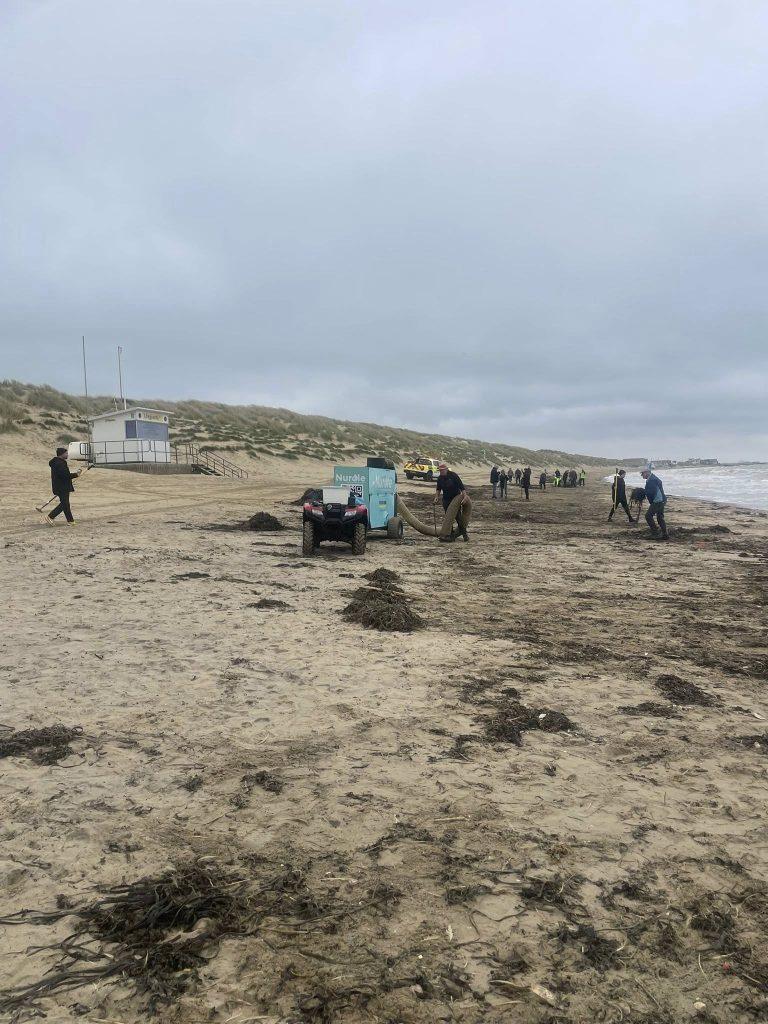
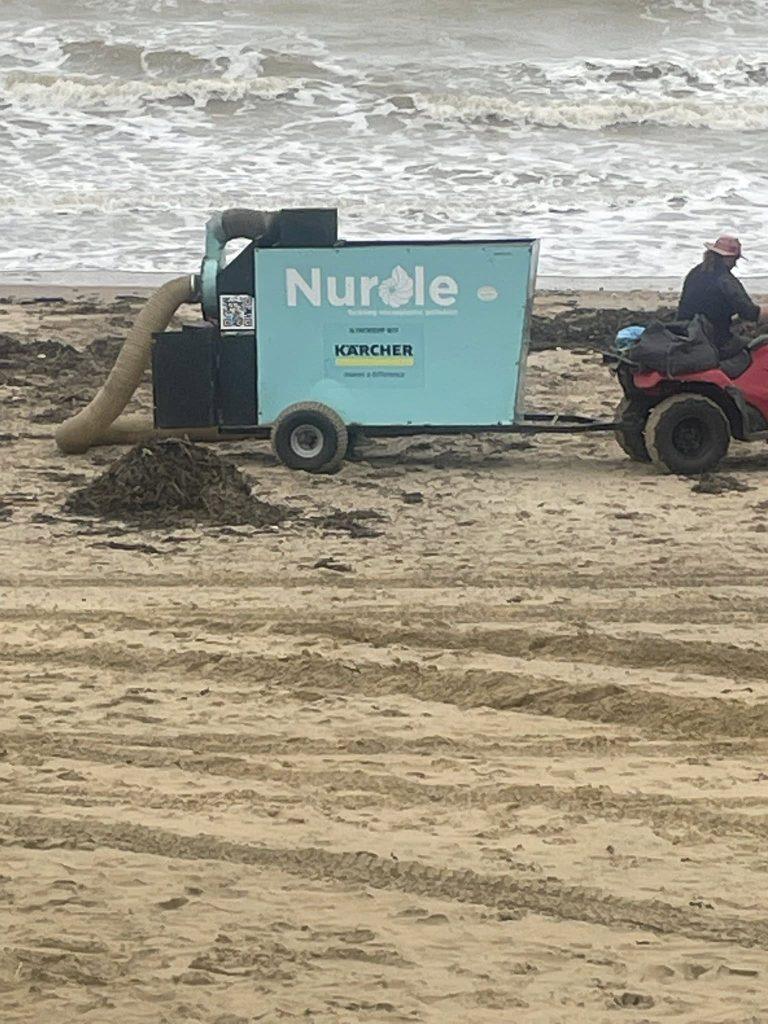
After bio beads were first discovered on Camber Beach on 4th November 2025, Rother District Council (RDC) commissioned the non-profit organisation Nurdle to conduct a specialised microplastic clean-up.
Using vacuum-based equipment, Nurdle spent five days clearing the affected area and removed a significant portion of the bio beads, though not all could be collected.
Following expert advice, Nurdle will return after the next spring tide (which occur twice every month) on 5th December 2025, when remaining bio beads are likely to be washed further up the beach and easier to recover.
In the meantime, RDC and partners continue clean-up efforts using environmentally sensitive methods. Southern Water has sourced specialist equipment that separates plastics from beach sediment using seawater and the buoyancy of the bio beads.
Daily manual collections by RDC officers, Southern Water staff, and volunteers will continue, with material temporarily stored at Central Car Park before processing. Recovered plastics will be returned to Southern Water; cleaned natural sediment will be returned to the beach.
Given the scale of the issue and the likelihood of further deposits, this will be an ongoing operation. Nurdle UK is expected to return after each spring tide, supported by regular manual collection and processing until the beach returns to baseline conditions.
“Southern Water now admits the toxic plastic beads on Camber Sands were released two weeks ago from their Eastbourne treatment plant during Storm Benjamin. It beggars belief that Southern Water failed to detect the loss of millions of bio beads for an entire fortnight, leaving them free to wash up on our East Sussex coastline and cause an environmental catastrophe.”
Helena Dollimore, the Labour and Co-operative MP for Hastings and Rye
South West Water’s statement
“Only eight of our 655 wastewater treatment works use bio beads, which are all fitted with two levels of robust containment measures and are inspected to ensure beads are kept within the treatment works. Decommissioning these plants is very costly as it requires the whole treatment process to be completely replaced. We are aiming to remove the bio bead process at our remaining sites when they are required to be upgraded in the future.”
Following the incident in Sussex, Southern Water launched an investigation and issued a statement. A spokesperson said at the time said: “After completing the initial stages of a thorough investigation, which is continuing, we believe it is highly likely that the beads have come from our Eastbourne wastewater treatment works.
We’ve identified a failure of a screening filter, which has apparently led to beads used in the treatment process being released into the sea during heavy rainfall. The screen should have prevented this occurring.
We are very sorry this has happened and are doing everything possible to investigate and resolve the problem.”
How and where do you report findings of bio beads?
Rother DC tell us that “While monitoring is underway at a number of locations, volunteer activity is not taking place at any site other than Camber, and we are not asking members of the public to visit additional beaches.“
If, during your normal activities, you happen to notice bio beads on any beach other than Camber, please report this to the Environment Agency on 0800 80 70 60 (free to call), quoting reference: 2440833.”
You can also report findings online at: www.gov.uk/report-water-pollution.