




Have you ever wondered why we light up our homes in December?
Have you ever wondered why we light up our homes in December?
Is it another nod to materialism and a show of wealth?
These December illuminations, so familiar to us today, have roots that stretch back thousands of years — to the Roman festival of Saturnalia.
Saturnalia, celebrated in mid-December, honoured Saturn, the god of agriculture. It was a time of joy, feasting, and gift-giving.
Most strikingly, it was a season of role reversals and freedom: masters served their slaves, gambling was permitted, and the usual social order was turned upside down.
But beyond the revelry, Saturnalia was also a festival of light in darkness, marking the approach of the winter solstice and the promise of longer days ahead.
When Christianity spread through the Roman Empire, many of Saturnalia’s customs were absorbed into the celebration of Christmas.
The exchange of gifts, the communal feasting, and the emphasis on joy and generosity all echo Saturnalia’s spirit.
Even the timing — late December — reflects this ancient continuity.
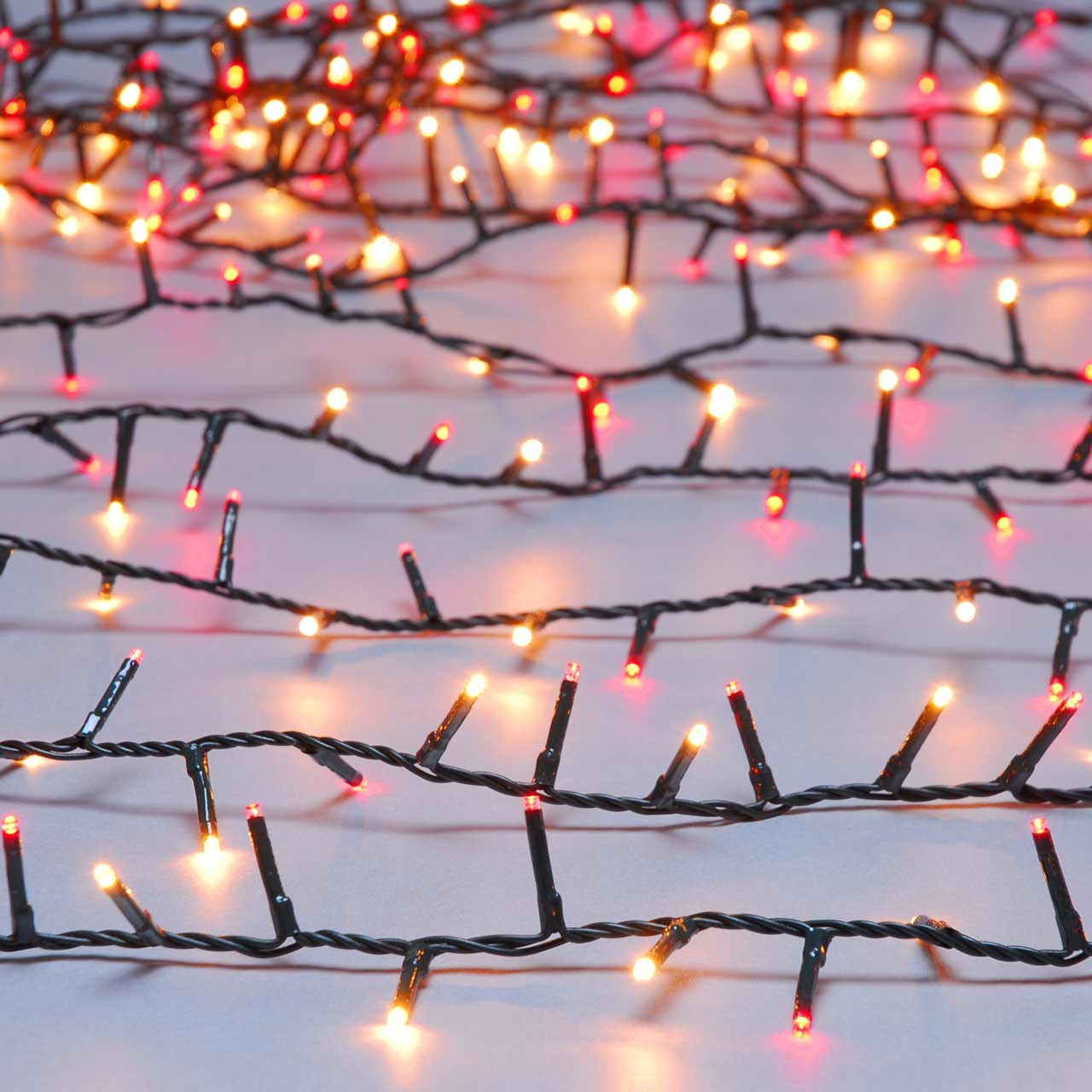
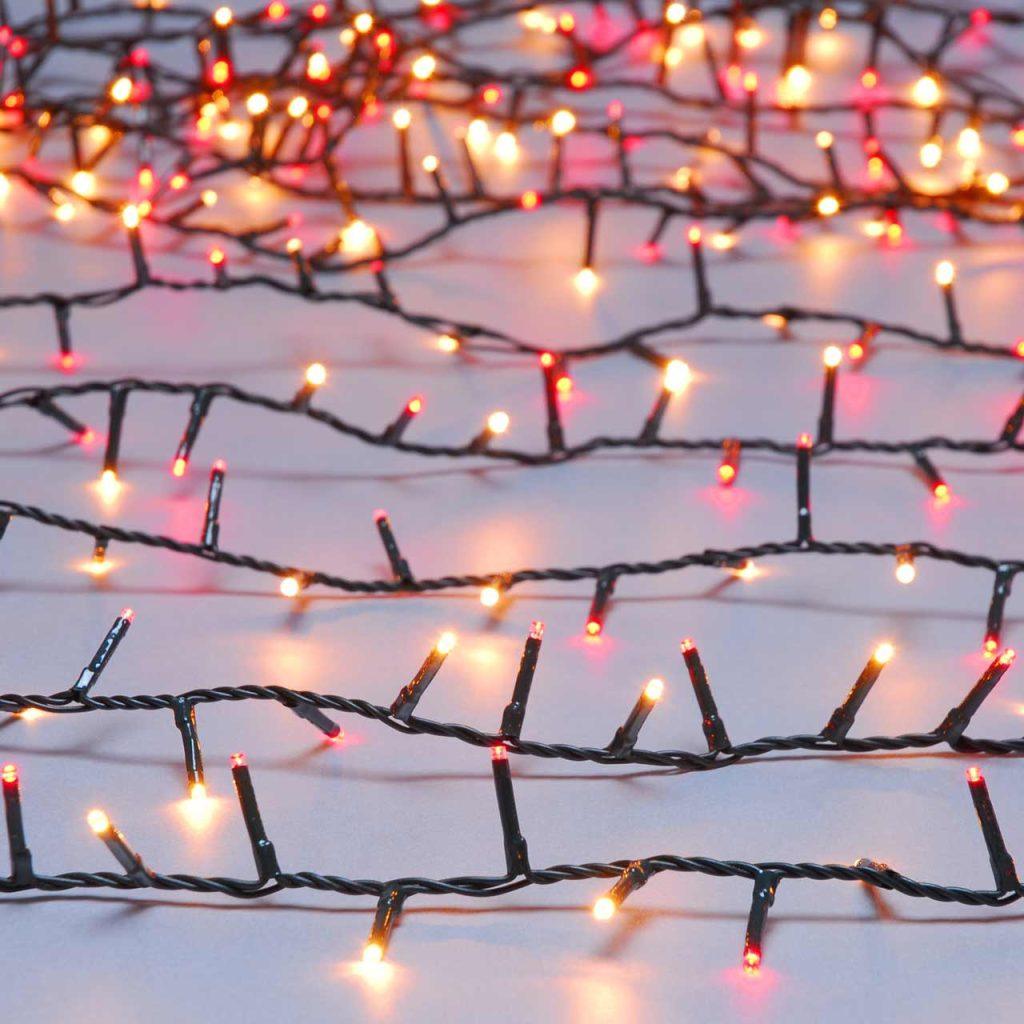
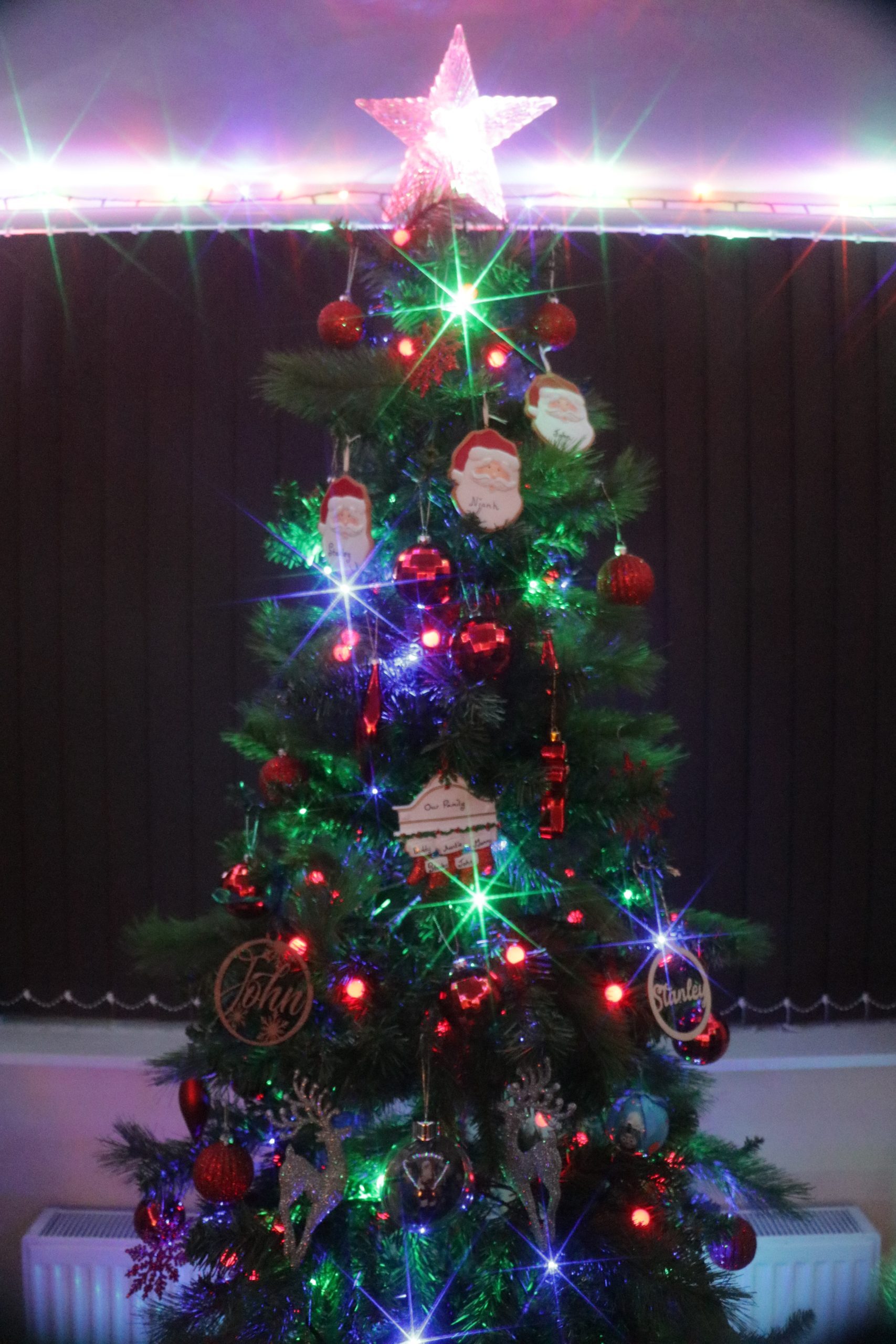
Today, our Christmas lights carry forward that legacy. They are more than decoration; they are symbols of hope, warmth, and community in the darkest season of the year.
Just as Romans lit candles and fires to honour Saturn and the returning sun, we string lights across our homes and cities to celebrate renewal, togetherness, and joy.
Today, our Christmas lights carry forward that legacy. They are more than decoration; they are symbols of hope, warmth, and community in the darkest season of the year. Just as Romans lit candles and fires to honour Saturn and the returning sun, we string lights across our homes and cities to celebrate renewal, togetherness, and joy.
Today December lights in the UK are shared across many traditions. While Christmas lights dominate public spaces, they are cultural as much as religious. Other faiths — Judaism, Paganism, Buddhism — also celebrate with light, and the overall atmosphere in December is one of inclusivity, not exclusivity.
- Christmas (Christianity): Christmas lights are widespread in the UK, with around 92% of people celebrating Christmas in some form. Streets, shops, and homes are decorated with festive lights to mark the season.
- Hanukkah (Judaism): Known as the Festival of Lights, Hanukkah is an eight-day Jewish holiday in December. Families light the menorah each night, symbolizing the miracle of the oil.
- Yule (Pagan/Wiccan traditions): Pagans celebrate the Winter Solstice (around December 21) with candles and fires to honour the rebirth of the sun.
- Bodhi Day (Buddhism): On December 8, Buddhists commemorate Buddha’s enlightenment. Families may decorate Bodhi trees with colourful lights.
So, lets celebrate in Camber. With our glorious wonky tree in the centre of the village, to individual lights in the windows and front gardens. The newsletter team will be out and about in December taking photos to include in our next edition!